What is Flask? Unpacking Python’s Lightweight Web Framework for Beginners
Hey there, future web wizard! Ever felt like the world of web development speaks a secret language? Like everyone else is building dazzling apps, and you’re just nodding along? You’ve probably heard whispers of the “Flask Python web framework” floating around. It sounds important, right? Maybe a little intimidating? Well, today we’re pulling back the curtain on Flask. Get ready to bust some myths and truly understand what this amazing tool is!
Myth #1: Flask is Just a “Tiny” Framework, So It Can’t Do “Big” Stuff
Okay, real talk. When you hear the word “lightweight,” your brain might picture something small and limited. You might think Flask is only good for little side projects. That’s a common trap! But here’s the thing: “lightweight” in the world of a Flask Python web framework doesn’t mean “weak.” It means “flexible.” It means it’s not burdened with a ton of built-in opinions.
Think of it like this: You’re building a LEGO spaceship. Some frameworks give you a pre-built cockpit, wings, and engines. You just snap them together. Flask, however, gives you the core bricks. You get to decide exactly what kind of cockpit. You pick what shape of wings. You choose what powerful engines you want. This freedom is what makes it lightweight. You add precisely what you need, when you need it. Therefore, you can build anything. This includes a simple one-page app. It also includes a complex, data-driven platform. It scales beautifully too!
Many major companies use Flask for parts of their infrastructure. You’ll find it powering internal tools and APIs. You can even integrate it with advanced tools. For example, you can use it for Python Web Scraping to gather data. Then you can build a Flask app to serve that data up. The possibilities are truly extensive.
Myth #2: You Need to Know Everything About Web Dev Before Touching Flask
Does the thought of diving into web development feel overwhelming? Do you feel like you need to master HTML, CSS, JavaScript, databases, servers, and maybe even a little bit of ancient magic before writing your first web app? You’re definitely not alone if you feel this way. Many beginners believe they need to be full-stack gurus from day one. That’s simply not true, especially with a tool like the Flask Python web framework.
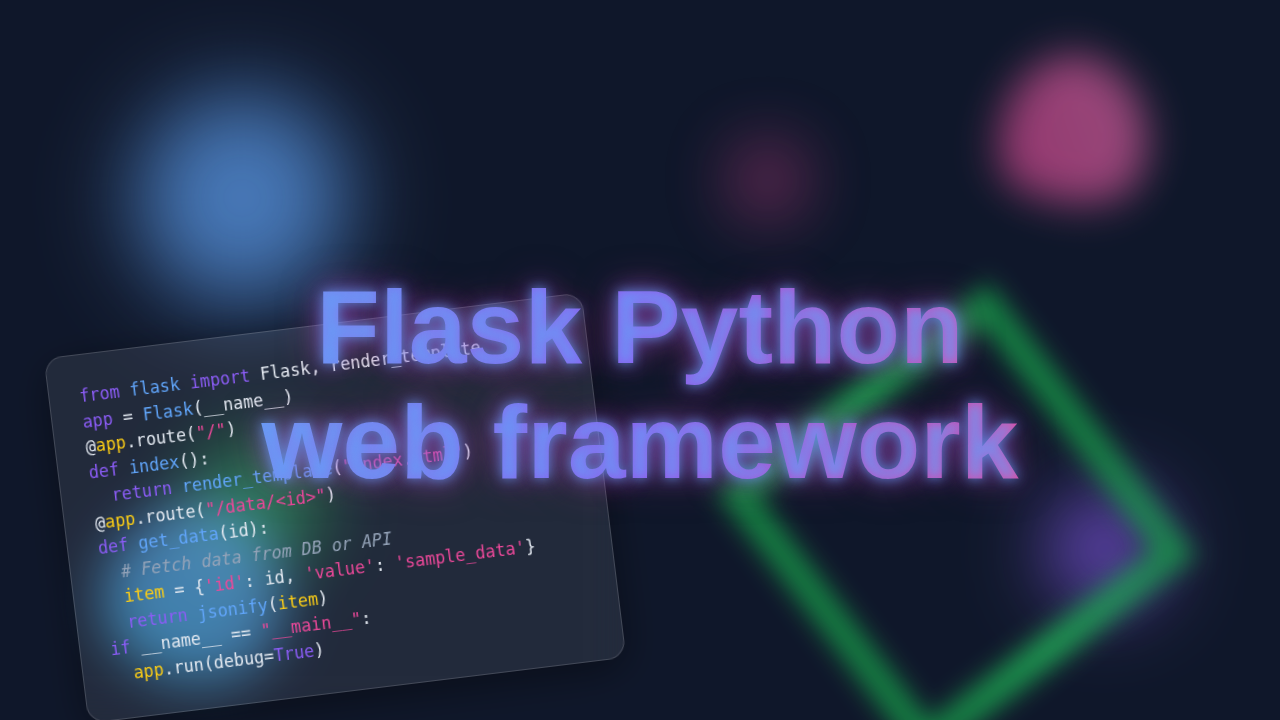
Flask is designed to get you up and running quickly. It has a super gentle learning curve. You can start with just a few lines of Python code. This allows you to see immediate results. You don’t need to configure a massive project structure first. You can build a simple “Hello, World!” page in minutes. Then, you can add complexity piece by piece. This incremental learning is incredibly powerful. It keeps you motivated. It also helps you understand each concept clearly. You’re building your knowledge layer by layer, almost like a delicious cake.
Pro-Tip: Don’t try to learn everything at once! With Flask, focus on getting a small app working. Then, add one new feature. This “baby steps” approach prevents overwhelm and builds confidence.
Ever wanted to make your Python scripts talk to the internet? Flask makes that easy. It handles the web server part for you. It translates browser requests into Python functions. You just write the logic that should happen. Understanding HTTP status codes is a good next step. This helps you grasp how web communication truly works.
Myth #3: Flask is “Missing” Features Compared to Other Frameworks
You might have heard about other “full-stack” frameworks. These often come with everything included. This means database tools, form validation, and user authentication systems are often bundled. So, you might think Flask is somehow incomplete. Like it’s missing crucial parts. But that’s another big misconception!
Here’s the cool part: Flask isn’t “missing” features; it simply chooses not to force them on you. It’s truly a microframework. It provides only the essentials. These are routing, request handling, and templating. Anything else? You get to pick! You can choose your favorite database library. You can integrate your preferred form handling tool. You can even bring in tools for building Python AI agents directly into your Flask app if you wish.
This “choose-your-own-adventure” style is a huge advantage. It keeps your project incredibly lean. You only add the dependencies you truly need. Consequently, this can make your apps faster. It also gives you complete control. You’re not stuck with a default tool you don’t like. Instead, you get to build your ideal tech stack from the ground up.
Remember This: Flask’s “missing” features are actually opportunities for customization. It empowers you to make architectural decisions that best suit your unique project.
If you’re wondering about making your Flask app communicate with other services, understanding how to handle web requests is key. The Python Requests Library is a great tool for that. It lets your Flask app be a client to other APIs. Furthermore, you learn valuable skills by making these choices yourself. Indeed, you grow as a developer.
The Truth About the Flask Python Web Framework: Your Flexible Sidekick
So, what’s the real deal with Flask? It’s a powerful, unopinionated Python web framework that puts you firmly in the driver’s seat. It’s a fantastic toolkit for building web applications using Python. Instead of a rigid blueprint, Flask gives you a sturdy workbench and all the basic tools. You get to decide what to build and exactly how to build it.
This approach means you can focus on learning core web concepts. You’ll understand how web requests work. You’ll learn about routes and templates. You’ll grasp the logic of serving dynamic content. You gain a deeper understanding of web development fundamentals. You’re not just assembling pre-made parts. You’re building from the ground up, with excellent support. This foundational knowledge is truly priceless.
It’s perfect for beginners because it doesn’t overwhelm you. You can start small. You can then expand as your skills grow. It encourages good programming practices. It helps you understand the underlying mechanisms of web apps. Consequently, you become a more confident and capable developer.
Why You Should Embrace the Flask Python Web Framework
You’ve seen through the myths. You now know that Flask is not a small, weak, or incomplete framework. It’s a versatile, beginner-friendly powerhouse. It’s waiting for you to unleash its potential. This makes the Flask Python web framework an excellent choice for your next project.
Don’t be intimidated by what you think you need to know. Just dive in! Install Flask. Write your first “Hello, World!” app. See it light up in your browser. Feel that rush? That’s the power of building something yourself. The initial setup is remarkably simple. Therefore, there’s no complex hurdle to clear before you start creating.
You have the curiosity. You have Python in your toolkit. Now you have Flask as your guide. The web is vast, and you’re ready to start building your corner of it. What amazing app will you create first? Go on, give it a try. You’ve got this!