Python Automation: Boost Productivity & Efficiency
Hey there, fellow coder! Have you ever found yourself doing the same tedious task over and over? Maybe you copy-paste data. Perhaps you rename files manually. Or you send similar emails daily. It’s truly draining, isn’t it?
Well, what if I told you there’s a much smarter way? This is where Python automation steps in. It’s like having a super-efficient assistant. This assistant handles all your boring, repetitive computer jobs. It saves you tons of time. Plus, it frees you up for more interesting work. You might have heard whispers about it. And today, we’re going to pull back the curtain on how it actually works. We’ll also see why it’s such a game-changer for you.
What is Python Automation, Really?
Okay, let’s be super clear. Python automation means using the Python programming language to make your computer do things automatically. Think of it as giving your computer a detailed to-do list. But you write this list in Python. Then, your computer follows those instructions. It does them without your constant interaction. It’s like setting up a domino run. You just flick the first domino. The rest fall into place on their own. Make sense?
Essentially, you’re teaching your computer. You teach it how to perform specific actions. These actions could be simple. For instance, moving files around. Or they could be complex. Like gathering data from websites. Python is a very readable language. This makes it a fantastic choice. Even for beginners like you. It’s designed to be straightforward. So you don’t need a computer science degree to get started. That’s the cool part about it!
Why Python Automation Matters to YOU
So, why should you care about this? Simple: time and peace of mind. Imagine this scenario. You spend an hour every Monday organizing client reports. It’s a boring, error-prone chore. What if you could write a small Python script? This script would do it in five seconds. It would do it perfectly, every single time. That’s an extra hour back in your week. You could use it to learn something new. Or maybe just grab another coffee!
Automation isn’t just about speed. It also boosts accuracy. Humans make mistakes. Computers, when properly instructed, do not. You set the rules once. The system follows them flawlessly. This reduces stress. It also improves the quality of your work. Think about repetitive data entry. Or generating custom reports. Python can handle these with incredible precision. Therefore, you become more efficient. You also make fewer frustrating errors. It’s a win-win for you and your workflow.
Unpacking the Magic: How Python Automation Really Works
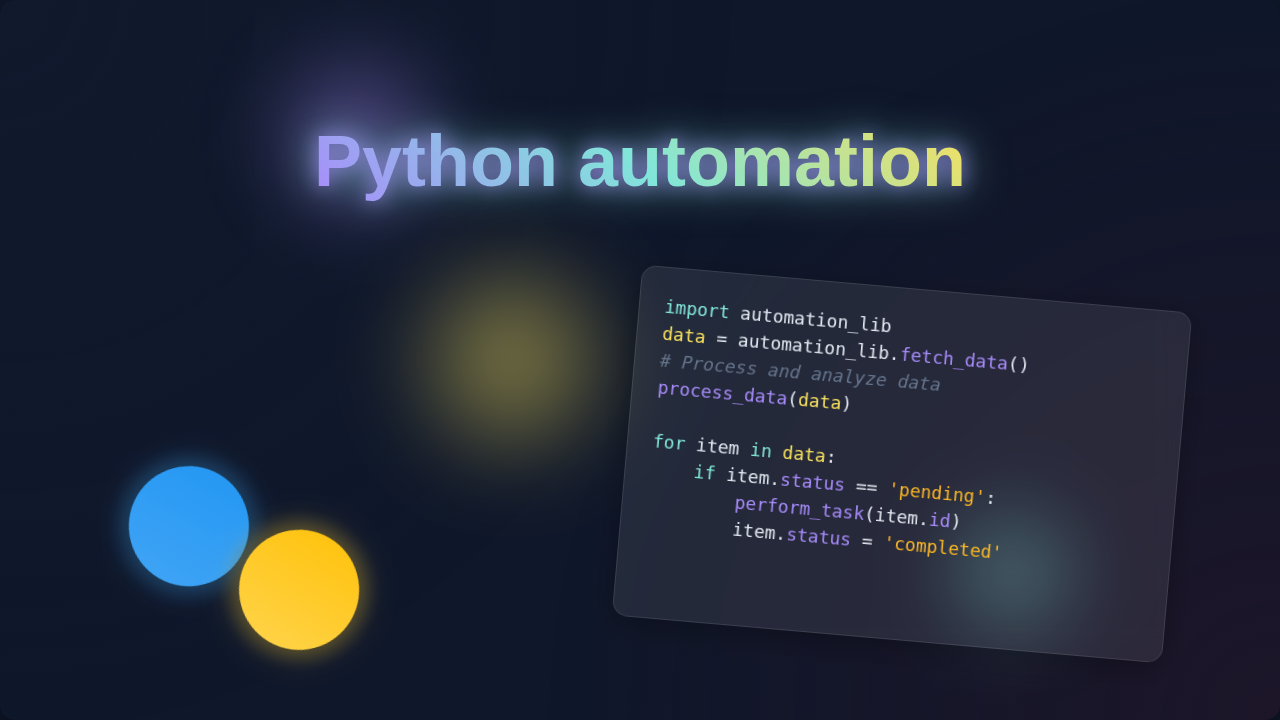
Now, let’s peek under the hood. How does Python actually make your computer jump through hoops? It all starts with scripts. A script is simply a text file. It contains a series of Python instructions. When you run this script, Python executes each line. It does this step by step. Imagine you’re building a LEGO model. The instructions tell you exactly which brick to place next. Python scripts are similar. They guide your computer’s actions.
But Python itself is just the language. The real power comes from its vast ecosystem of “libraries.” Think of libraries as specialized toolkits. Each toolkit has tools for a specific job. For example, one library might help you manage files on your computer. Another might let your script open web pages. There are libraries for everything. They make complex tasks surprisingly easy for you. You don’t have to build every tool from scratch. You just pick the right one from Python’s massive toolbox.
“Python’s strength lies in its libraries. They are pre-built solutions that let you focus on what you want to achieve, not how to build every basic function.”
When you want to automate web tasks, Python is particularly powerful. You can write scripts to visit websites. These scripts can fill out forms. They can even click buttons. It’s like having a robot browser. This is often called web scraping or web automation. It’s incredibly useful for data collection. You might even use it to manage your own website’s content! Learn more about crafting intelligent web bots and data scripts by exploring Python Web Automation: Scripting, Bots & Data. You’ll be amazed at what you can do.
Python also excels at interacting with APIs. An API (Application Programming Interface) is like a menu. It lists things a software system can do. It also shows how you can ask it to do them. Your Python script can send requests to these APIs. It then gets back information. This allows your script to “talk” to other software. It can connect to social media. Or it can manage cloud services. It’s incredibly flexible! For a deeper dive into web-related communication, you can explore concepts like HTTP requests on MDN Web Docs. Keep in mind, the general idea of an API is very broad.
Everyday Versatility: Where Python Automation Shines
The true beauty of Python automation is its incredible versatility. It isn’t limited to one area. You can apply it to so many different problems. Think about your daily grind. Are you a student? You could automate downloading lecture notes. Are you a content creator? Python could resize images for your blog posts. Are you running a small business? It can help you send personalized email newsletters. The possibilities are truly endless for you.
Consider file management. You know, those messy download folders. A Python script can sort them. It can move PDFs to one folder. It can send images to another. It can even delete old temporary files. All on a schedule you define! For more complex backend tasks, especially when managing scheduled operations or web services, you might use frameworks like Flask. This allows you to build a system that responds to events and automates workflows. Want to get started with building web apps and backend logic? Check out Flask for beginners | Learn Python Web Dev Basics. It’s a great stepping stone.
“Don’t aim for perfect automation from day one. Start with one small, repetitive task. Get it working. Then build from there. Each small win gives you confidence.”
You can also use Python for data processing. Imagine you have a spreadsheet with hundreds of rows. You need to clean up some text. Or perhaps combine data from multiple sheets. Doing this manually is painful. Python makes it simple. It can read the data. It can perform transformations. Then, it can save the updated file. All in a blink of an eye. This is a game-changer for anyone dealing with data regularly. This truly empowers you. To understand how Python organizes and handles information, check out data structures explained on MDN Web Docs. It offers a foundational understanding.
Even for tasks like sending custom reminders or generating reports from your backend systems, Python automation excels. For example, if you want to create a system that manages tasks and performs actions based on certain triggers, Python scripts can be your powerhouse. You can even explore building your own robust systems by learning about the Python Task Manager Script: Backend Automation with Flask Logic. It combines web basics with powerful automation concepts. It’s truly a practical path for you.
Python Automation: Busting Common Myths
Alright, let’s clear up some common misconceptions about Python automation. You might think, “This sounds too complicated for me.” Or, “Is this only for experienced programmers?” Absolutely not! That’s a huge myth. Python is renowned for its beginner-friendliness. Its syntax is very close to plain English. This makes it easier to read and write. You absolutely can learn it. Thousands of self-taught developers, just like you, prove this every day.
Another myth: “Automation means taking away jobs.” Actually, it often means freeing up humans. It lets them do more creative, strategic, and valuable work. Think of it as enhancing your capabilities. It doesn’t replace them. Instead, it handles the grunt work. This allows you to focus on innovation. You can tackle challenges that truly require human intelligence. So, it empowers you to contribute more meaningfully.
Also, some people worry it’s “too powerful” or even “dangerous.” Python automation is simply a tool. Like any tool, its impact depends on how you use it. When used ethically and responsibly, it’s a massive force for good. It’s about efficiency and productivity. It’s not about anything nefarious. You control the scripts. You dictate what they do. It’s all in your hands.
Your Next Steps with Python Automation
So, what should you take away from all this? First, Python automation is incredibly powerful. It can transform your daily digital life. Second, it’s more accessible than you think. You don’t need to be a coding genius to start. You just need curiosity. And you need a willingness to experiment. Third, it’s wildly versatile. It applies to almost any repetitive digital task you can imagine.
Think about the tasks that steal your precious time. Identify just one. Then, imagine how a Python script could handle it. This simple exercise can spark incredible ideas for you. Remember, every expert was once a beginner. Your journey into Python automation starts with that very first step. Embrace the learning process. Celebrate every small script you write. Each one is a win. It’s a step towards a more efficient you.
The world of automation is open to you. It offers immense potential. You can truly reclaim your time. You can reduce your workload. And you can focus on what truly matters. So, what are you waiting for? Dive in. Start exploring. You’ve got this!