Python Requests
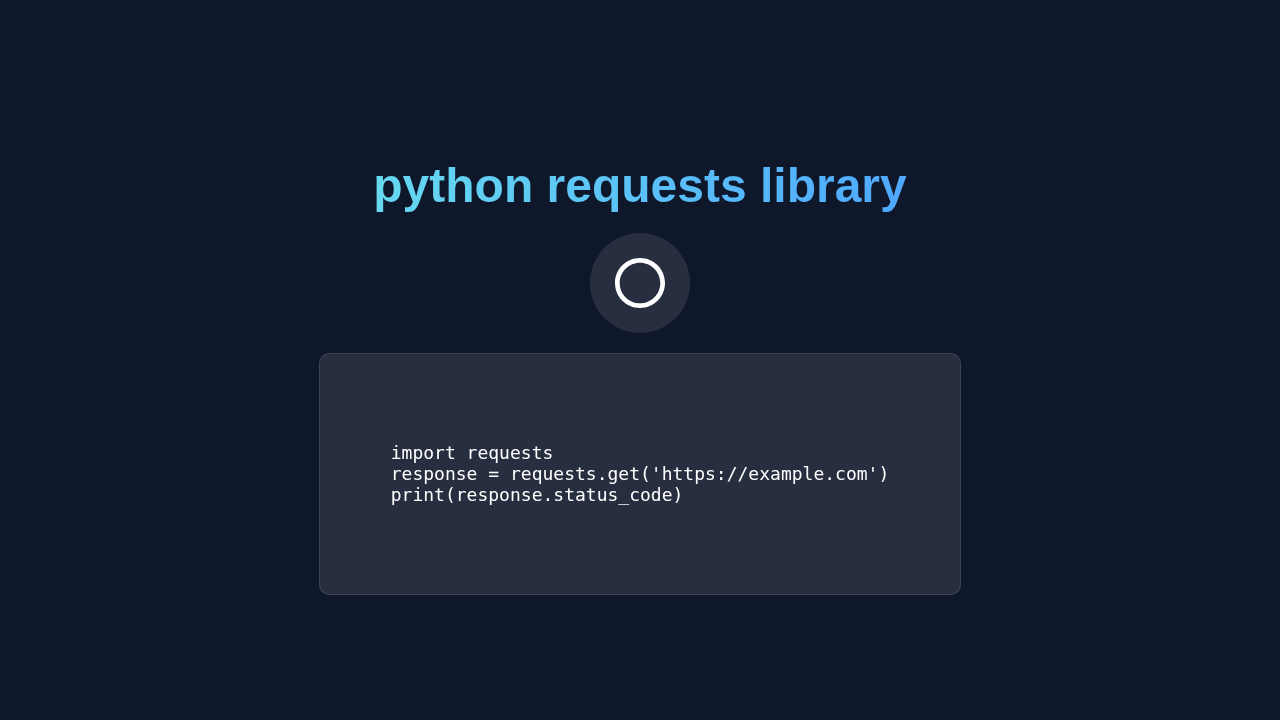
Hello! If the python requests library sounds like a made-up word to you right now, you are not alone. You have probably been hearing about the python requests library everywhere and wondering what the fuss is about.
Here’s the thing… when you want to fetch data from a website, you need to send a request to the server. The python requests library makes this process super easy. Ever wondered why you can’t just access a website’s data directly? It’s because servers need to know what you want, and that’s where the python requests library comes in.
How the Python Requests Library Actually Works
Don’t worry — it clicks eventually. You see, when you use the python requests library, you are essentially sending a message to a server, saying ‘hey, can I have some data?’. The server then responds with the data you asked for. Make sense so far?
Tip 1: Understanding Requests
The cool part is… you can customize your request to get exactly what you need. You can specify what kind of data you want, and even add headers to your request. Sound familiar? It’s like sending a letter – you need to address it to the right person, and include a return address so they can respond.
Tip 2: Getting Started with the Python Requests Library
Here’s the thing… getting started with the python requests library is easier than you think. You just need to install it using Python Virtual Environments, and then you can start making requests. You can even use Python List Comps to handle the data you receive.
Remember, the python requests library is just a tool – it’s up to you to use it effectively.
Tip 3: Handling Responses
Ever wondered why you sometimes get errors when making requests? It’s because the server is responding with an error message. The python requests library helps you handle these responses, so you can write robust code that works even when things go wrong.
Tip 4: Customizing Your Requests
The python requests library is super flexible – you can customize your requests to fit your needs. You can add headers, parameters, and even send files with your requests. It’s like sending a package – you need to make sure it’s addressed correctly, and includes all the right information.
Tip 5: Using the Python Requests Library with Other Tools
Here’s the thing… the python requests library works well with other tools, like MDN and CSS-Tricks. You can use it to fetch data, and then use other libraries to parse and analyze the data.
Don’t be afraid to experiment – the python requests library is a powerful tool that can help you achieve your goals.
Bonus Tip: Troubleshooting Common Issues
Don’t worry — troubleshooting is easier than you think. You can use the python requests library’s built-in debugging tools to figure out what’s going wrong. It’s like having a map – it helps you navigate the process and find the solution.
Summary
The python requests library is a powerful tool that can help you achieve your goals. You now know how it works, and how to use it effectively. So go ahead, give it a try – you got this!